

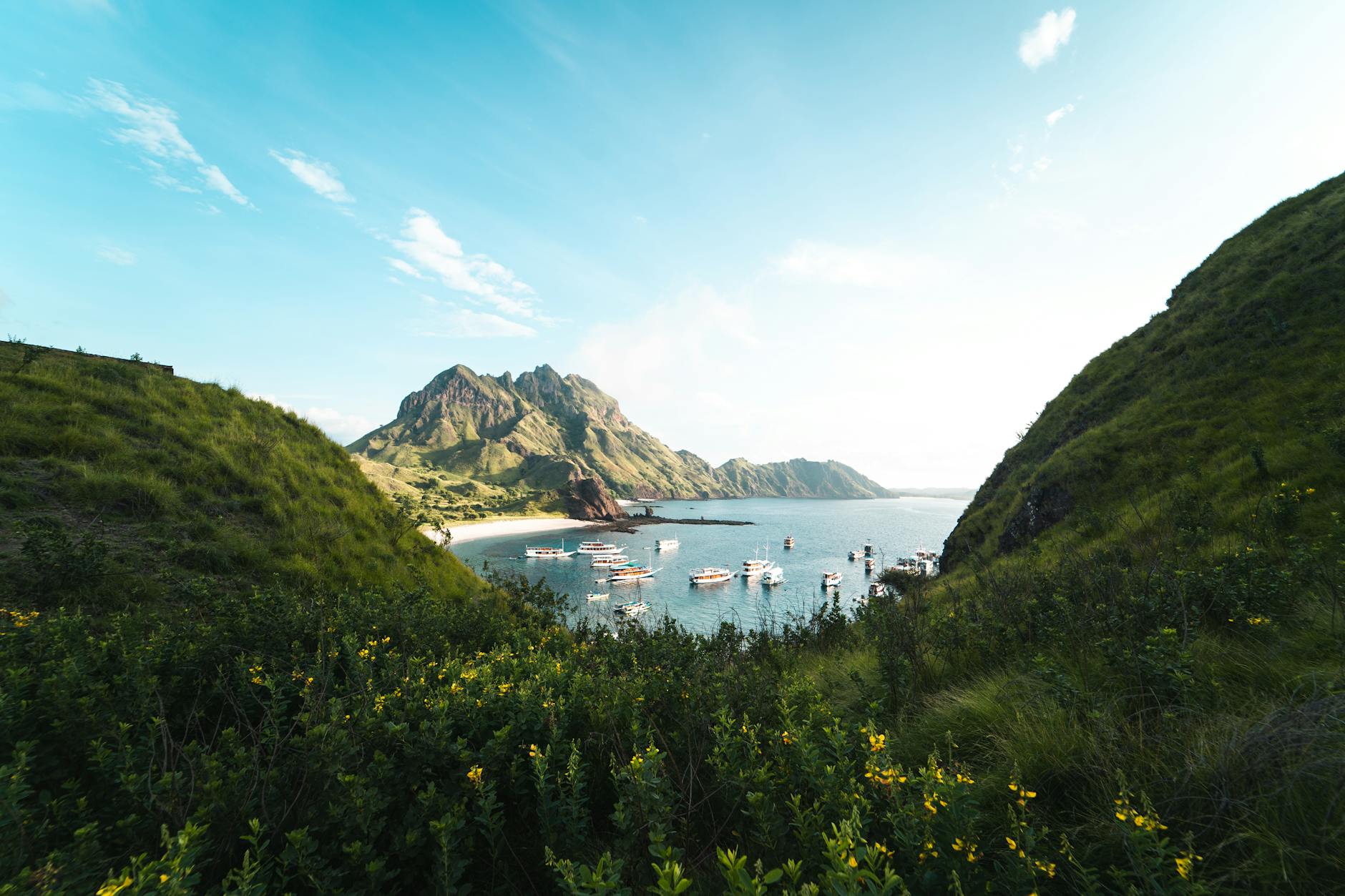
What Makes Australia's Natural Reserves Essential for Conservation Advocates?

Ecological Significance of Reserves
Diverse Habitat Protection
As someone advocating for conservation, the ecological significance of reserves holds a special place in my heart. Imagine standing among the ancient trees at the Brisbane Botanic Gardens, where the diverse habitats come alive. Reserves like these act as guardians of varied ecosystems, ensuring that each unique habitat receives the protection it desperately needs. Just like Machu Picchu tours offer a glimpse into historical marvels, these reserves provide a window into the rich tapestry of life that thrives in protected areas.
Endangered Species Sanctuaries
The reserves serve as sanctuaries for endangered species, offering a lifeline to those on the verge of extinction. With dedicated efforts, these sanctuaries create safe havens where vulnerable animals can live and breed without the threat of human encroachment. It’s akin to embarking on Arctic cruises where you witness unique wildlife in its untouched environment; creating spaces for endangered species allows them to thrive in a setting free from harm.
Biodiversity Hotspots
Biodiversity hotspots within reserves emerge as collective treasures, much like the panoramic views from Mount Coot-tha's Scenic Lookout. These areas sustain an incredible variety of plant and animal life, contributing to the planet's ecological balance. By preserving such biodiversity hotspots, we ensure that ecosystems remain resilient and capable of adapting to environmental changes. Just as South America holidays offer diverse cultural insights, these regions provide insights into the interconnectedness of life on Earth.
By understanding the critical roles that reserves play in ecological conservation, we can empower ourselves and future generations to make informed and sustainable choices.
Climate Change Mitigation
Carbon Sequestration Areas
Engaging with carbon sequestration is crucial for mitigating climate change impacts. Our forests, wetlands, and soil systems act as natural sponges, absorbing carbon dioxide and providing vital ecosystem services. In Brisbane, for instance, areas like Mount Coot-tha's Scenic Lookout remind me of the critical role forests play in carbon sequestration areas. By fostering these natural carbon sinks, we not only draw down greenhouse gases but also enhance biodiversity.
Climate Buffer Zones
Climate buffer zones are vital, functioning as barriers that shield ecosystems from extreme weather and temperature fluctuations. These zones often play a pivotal role in safeguarding native species and preserving ecological balance. Such zones can be compared to the layers of a protective blanket that maintain stability and resilience within a given habitat. On a global scale, the Galapagos Islands serve as a case in point. Through managed Galapagos cruise initiatives, tourists can witness how these buffer zones curb climate impact while promoting conservation efforts.
Monitoring Climate Impacts
Monitoring climate impacts involves rigorous data collection and analysis to understand ecological changes over time. These monitoring activities are integral in devising strategies that combat environmental crises. It’s akin to conducting a continuous health check-up of ecosystems, enabling timely interventions. To adapt to the shifting climates, we need reliable data. Interestingly, Antarctica offers a unique frontier for such study—exploring Antarctica travel provides both insights and opportunities for contributing to global climate solutions.
Research and Education
Scientific Research Opportunities
Engaging in research across ecosystems is vital, and the Antarctica region provides unique prospects for scientific inquiry. Within its icy expanse, scientists study climate change effects and marine life adaptations, enriching our understanding of global ecological patterns. If you're passionate about conservation and research, there's an intriguing opportunity with Antarctica Cruises that collaborate with scientific missions, allowing researchers to witness wildlife and ice formations up close. By embedding yourself in this environment, you contribute to the broader understanding of how our planet functions.
Conservation Education Programs
An essential component of conservation is educating the public about environmental stewardship. Institutions like the Brisbane Botanic Gardens excel in fostering awareness. Through captivating exhibits and interactive programs, visitors learn about the intricate balance of ecosystems. These programs aim to instill a sense of responsibility and the importance of conserving nature, equipping individuals with knowledge to make eco-conscious choices.
Citizen Science Initiatives
Empowering locals and tourists to participate in Galapagos Islands tours as citizen scientists can significantly benefit conservation efforts. Such initiatives invite you to partake in wildlife surveys and data collection, transforming excursions into purposeful ventures. This approach democratizes research, offering non-scientists hands-on experiences while contributing valuable data to conservation projects. Through participation, you foster a deeper connection to nature, influencing attitudes towards environmental preservation.
Sustainable Tourism Practices
Eco-Friendly Visitor Guidelines
Embracing eco-friendly visitor guidelines is crucial for sustainable tourism. By adhering to these practices, visitors contribute positively to the conservation efforts in fragile ecosystems. When exploring destinations renowned for their unique biodiversity, such as Cuba travel or South America tours, it's essential to follow established guidelines that minimise ecological disturbances. This might include staying on designated paths to avoid habitat destruction or refraining from picking plants to preserve the integrity of the ecosystem.
Minimizing Tourist Footprints
Reducing the ecological impact of tourism involves strategically planning travel activities. Opting for group tours or sustainable transport options like trains and buses can significantly lower carbon emissions. Additionally, engaging in activities that highlight conservation efforts, such as tours led by local environmental experts, provides deeper insights into regional ecosystems. By actively choosing these alternatives, tourists can help preserve natural wonders for future generations.
Supporting Local Communities
Supporting local communities is a pivotal aspect of responsible tourism. When spending time in these regions, consider patronising local businesses and artisans, ensuring that the economic benefits of tourism are shared equitably. This approach not only fosters community development but also encourages the preservation of cultural heritage and natural resources, aligning perfectly with the goals of environmentally conscious travelers. This balance of benefiting both the environment and local communities creates a more enriching and impactful travel experience.
Overcoming Conservation Challenges
Addressing Habitat Fragmentation
In the face of habitat fragmentation, the solution often lies in creating more connected ecosystems. The suburb of Brisbane, in particular, is home to remarkable green spaces such as the Brisbane Botanic Gardens, which serve as crucial links for wildlife traversing urban landscapes. These gardens aren't just beautiful retreats for us but also act as stepping stones for species migration and genetic flow. This connectivity is essential for maintaining ecological balance and ensuring wildlife resilience in fragmented landscapes.
Combatting Invasive Species
Invasive species management is another pressing concern. At the Lone Pine Koala Sanctuary, efforts are underway to tackle species that threaten local flora and fauna. The sanctuary's comprehensive approach combines physical removal, biological control methods, and public education to prevent the introduction and spread of non-native species. By harnessing community power and scientific research, we aim to protect the delicate balance of our ecosystems, preserving the essential roles each native species plays.
Balancing Human and Environmental Needs
Finally, balancing human needs with environmental protection is a complex task. Here, sustainable tourism serves as an effective strategy. By promoting educational tours that enrich visitors' understanding of local wildlife and ecosystems, as seen from Mount Coot-tha's Scenic Lookout, we encourage a deeper appreciation and respect for nature. Participation strengthens awareness and fosters a community actively engaged in protecting our natural treasures for future generations. By addressing these challenges, we can create a more sustainable and harmonious coexistence between humans and nature.